Development That Delivers
Integrated programmes designed around real community needs — delivered through a governance framework that ensures every investment creates lasting, measurable change.
Programme Approach
Isolated projects fail. A school without electricity cannot function. A clinic without clean water cannot serve. A road without a market at the end of it changes nothing. That is why MQA Foundation does not deliver isolated projects — we implement integrated development programmes where infrastructure, services, and community empowerment are designed to function together and sustain one another. Every programme follows the MQA masterplan methodology: baseline assessment, structured phases, governance at every step through the compliance portal, and evaluation against pre-defined outcomes. This approach ensures that no resource is wasted, no community is overlooked, and no result is left unverified.
MQA FOUNDATION
Programme Pillars
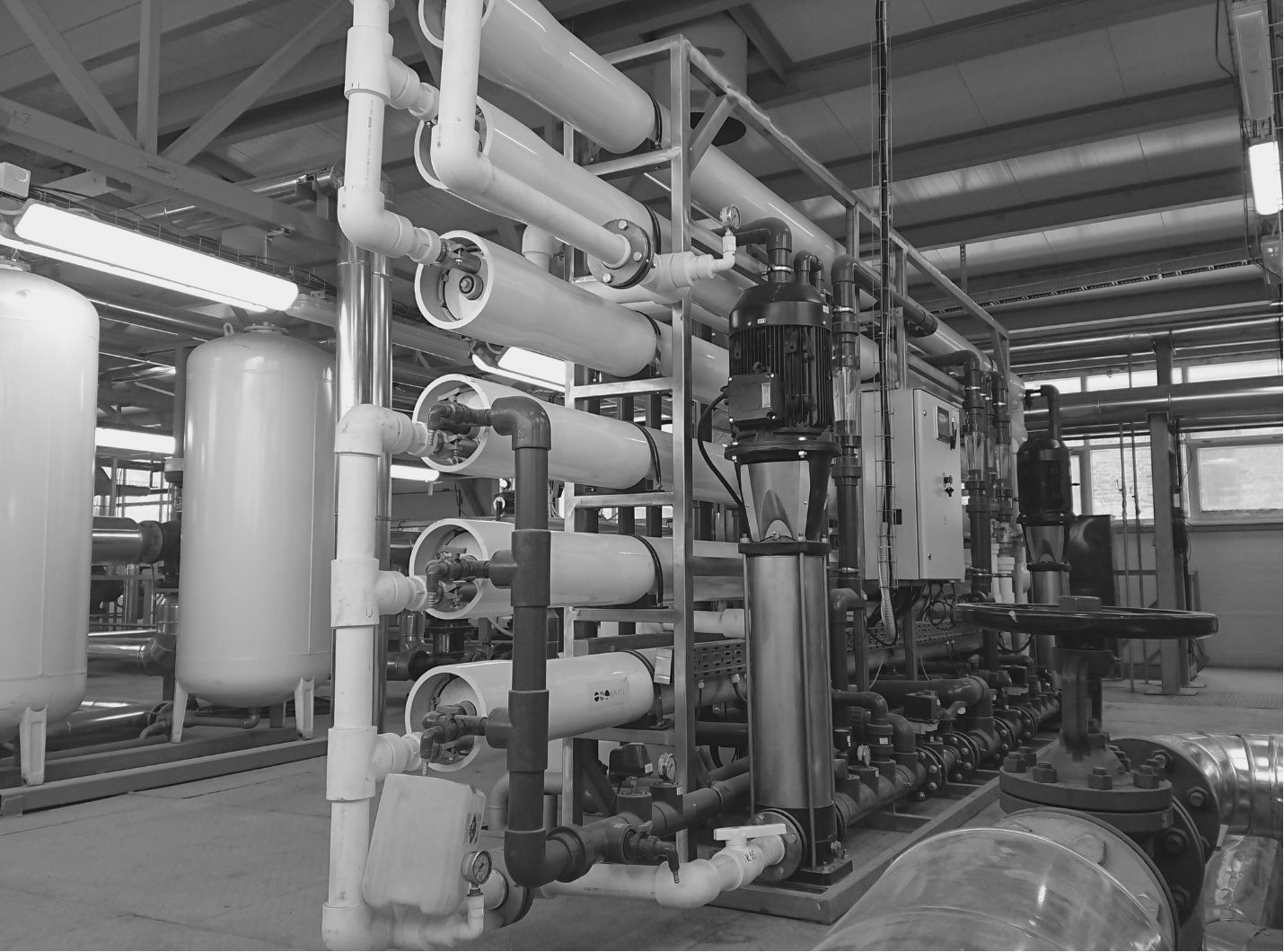
Water Systems
Clean water is the foundation of community health and economic stability. Our water programmes encompass borehole drilling, distribution network construction, treatment systems, and household-level connection — designed for reliability, low maintenance, and community management.
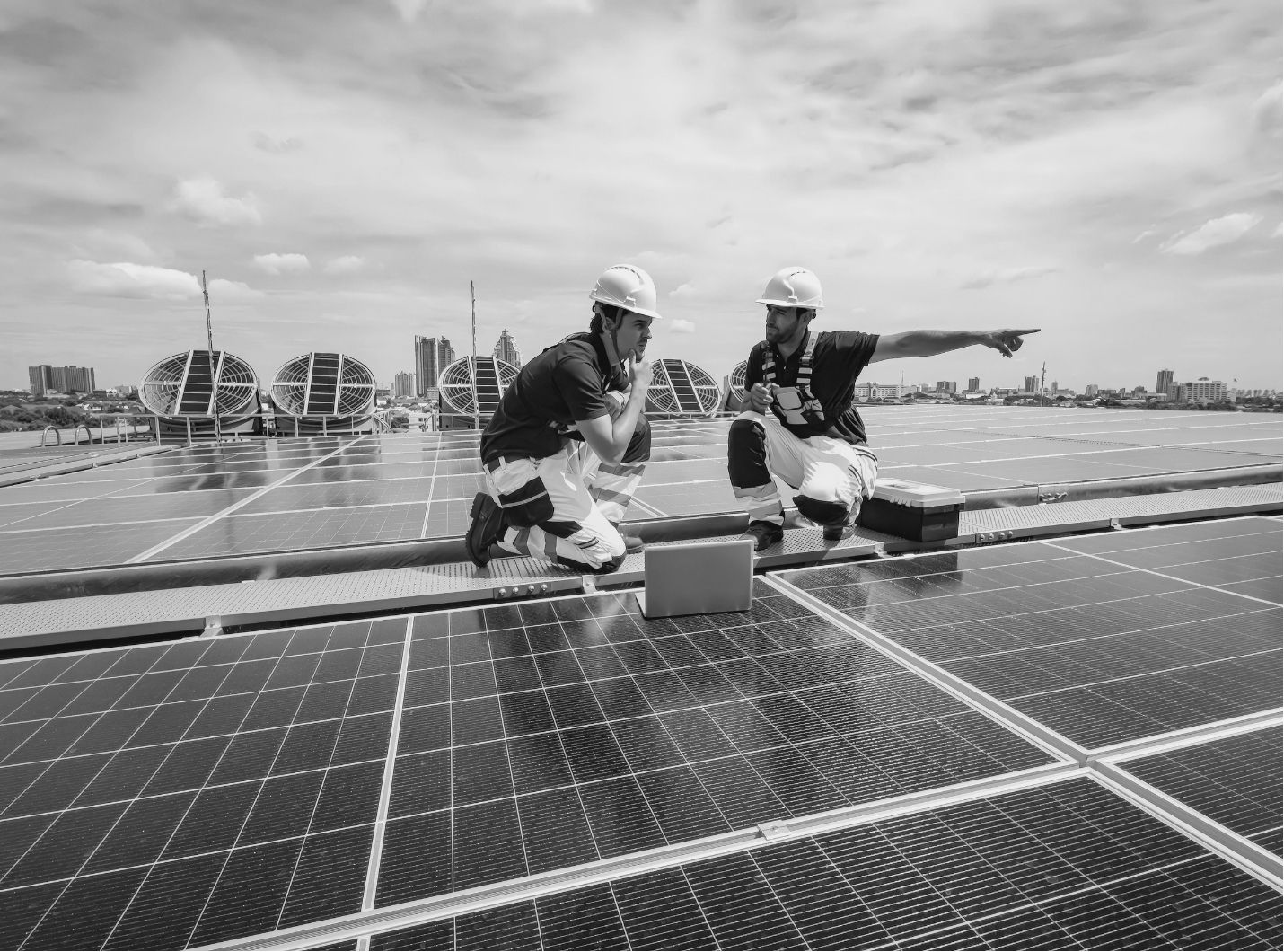
Solar Energy
Reliable energy access transforms communities. We deploy solar systems for public facilities, streetlighting, water pumping, and household connection — providing renewable, sustainable power that reduces dependency on imported fuel and enables economic activity even in remote areas.

Education
Schools are the backbone of long-term development. We build educational facilities embedded within settlement planning, equipped with furniture, teaching materials, and where possible solar-powered lighting and digital infrastructure — creating environments where the next generation can learn and grow.
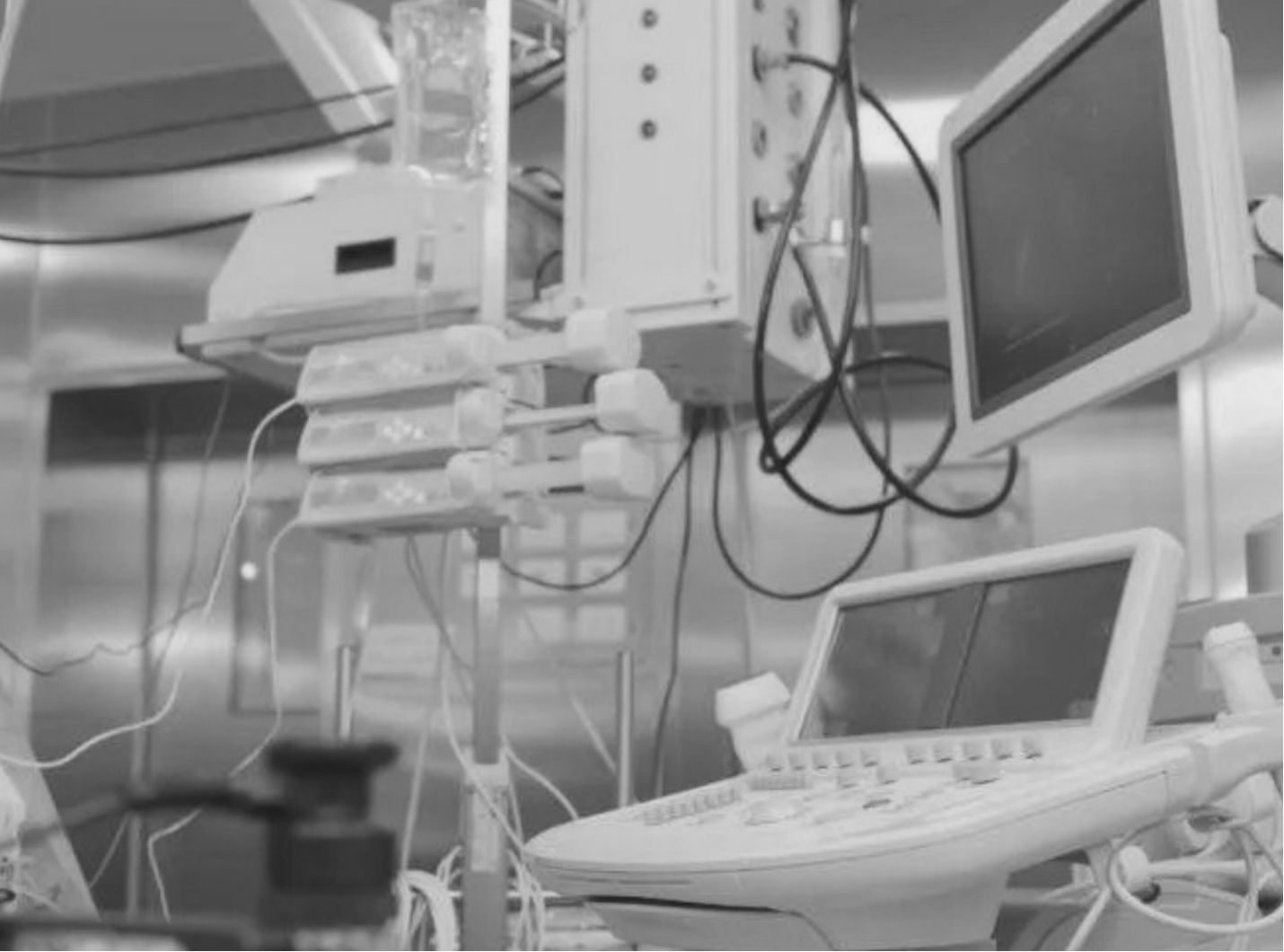
Healthcare
Community health centres staffed and equipped to provide maternal care, basic treatment, referral services, and preventive health education. Healthcare infrastructure is linked to water and energy systems, creating facilities that function reliably in even the most remote settings.

Road Access
Connectivity is critical for economic participation, emergency response, and community resilience. Our road programmes build all-weather routes connecting settlements to markets, services, and logistics networks — transforming isolated communities into accessible, functioning parts of a wider regional system.
Community Services
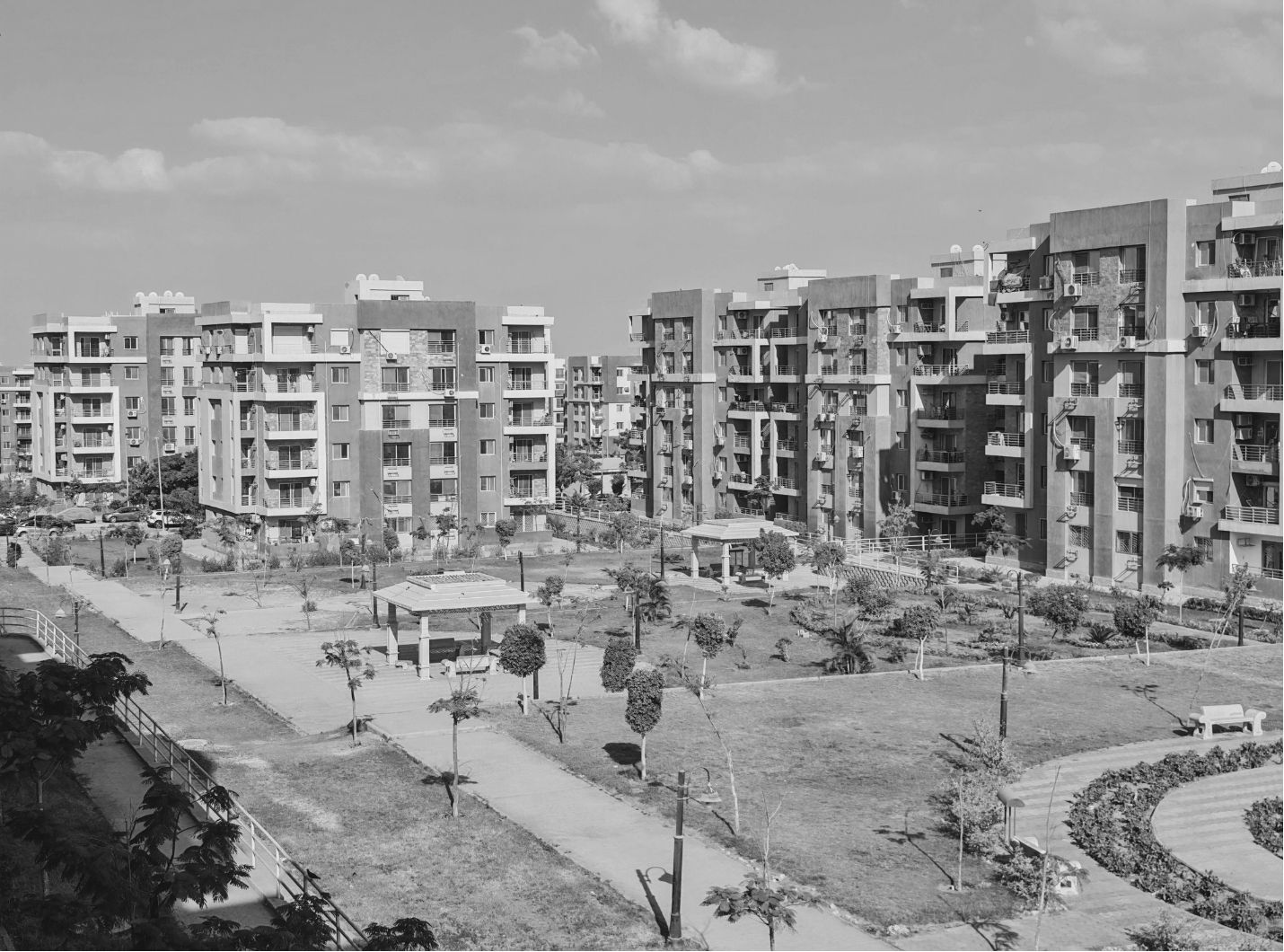
Markets, administrative offices, community gathering spaces, and vocational training centres — the social infrastructure that enables communities to organise, trade, learn, and govern themselves. These are designed in consultation with local stakeholders to reflect actual needs and cultural practices.
How We Measure Impact

MQA Foundation measures impact through structured, verifiable methods — not narrative reporting or anecdotal claims. Every programme defines its success criteria before implementation begins, and every outcome is measured against those criteria through the governance portal.
The Verification Chain
Our impact measurement follows a four-stage verification process designed to produce evidence that withstands independent audit:
What We Track
Beneficiary counts verified through field registration and community validation
Infrastructure completion verified through multi-stage inspection and photographic evidence
Service delivery metrics tracked through operational data from completed facilities
Financial utilisation tracked against approved budgets in real time through the portal
Community feedback captured through structured engagement and local liaison processes